Choosing A Licensed Plumber NSW: Chipping Norton
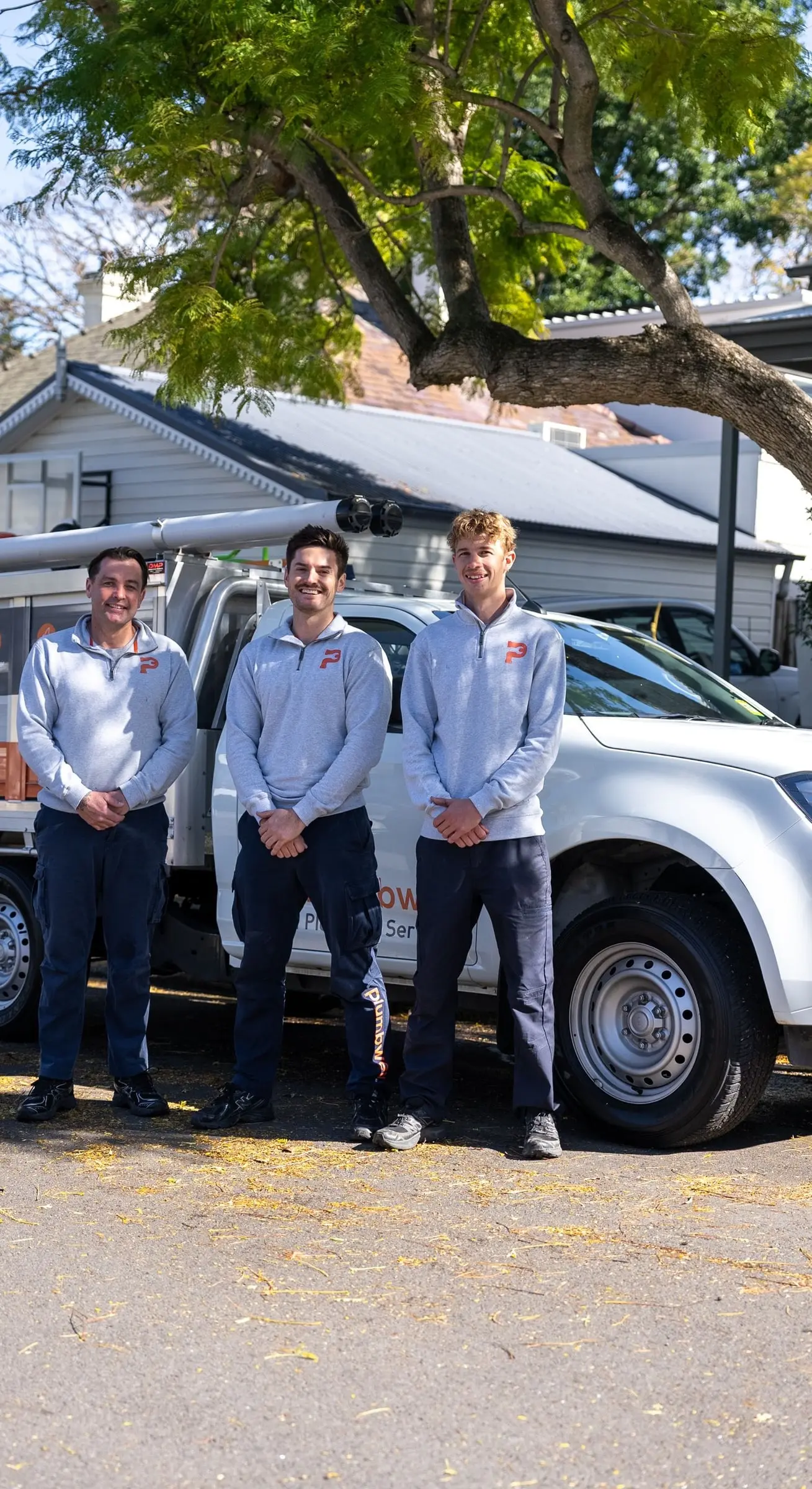
Every plumbing, draining or gasfitting job needs a licensed plumber, licensed drainer or licensed gasfitter with the right class, or someone lawfully supervised under a NSW licence or certificate.
A free search on the NSW public register checks any licensed plumber NSW homeowners are thinking of hiring. Chipping Norton locals call Mr Local Plumbing for a licensed plumber, and no job starts before the price is in writing. Before you hire, a few checks matter:
- Ask for the licence number, then check it against the NSW register before you hire.
- Every job gets its price in writing first, and the call-out fee is $0.
- A typical Sydney residential call-out runs $69 to $500 (What's The Damage, November 2026).
Why A Licence Matters
A licensed plumber is a plumber authorised in NSW to do plumbing work, under a licence or certificate of their own or under lawful supervision.
Any plumbing, draining or gasfitting work needs that licence or certificate in NSW, regardless of the cost and whether the place is residential, commercial or industrial. Work done without the required licence, certificate or supervision breaks the Home Building Act 1989. Fines run to $110,000 for a company and $22,000 for an individual, according to the NSW Government licence page (2026).
Tradesperson certificate work sits under the general supervision of a contractor licence holder or a qualified supervisor certificate holder, who signs it off. Supervision fines run to $1,500 and $1,100 per breach on that side of the trade, according to the Building Commission NSW licence page (2026). The $1,500 breach is failing to supervise, and the $1,100 breach is working unsupervised, according to that same licence page (2026).
A plumbing contractor carries the full range of plumbing services, from a dripping tap to a full pipe renewal.
How To Check A Plumber's Licence
Ask any plumber for the licence number, then check it on the NSW public register before you agree to anything. Three checks make it easy:
The NSW Public Register
Licence status is checked on the NSW public register (Verify NSW). Applications, renewals and restorations are lodged online or in person at a Service NSW centre. The renewal form arrives several weeks before a licence expires. A licence expired less than 3 months can be restored for a fee on the same number, so an expired card still needs a register check.
Search By Licence Number
Ask for the plumbing company's name or its licence number before you search. With the number in hand, the register shows the licence's status, class and expiry. A plumber who will not give you the number is telling you something.
Licence Types And Terms
NSW issues four licence types: the individual contractor licence, the company or partnership contractor licence, the qualified supervisor certificate and the tradesperson or provisional tradesperson certificate. Licences and certificates run for 1, 3 or 5 years, and provisional tradesperson certificates run 3 years and cannot be renewed. Renewals, restorations and replacements all go through Service NSW.
A contractor licence and a tradesperson certificate are both professional options inside this trade. A hirer asks for the contractor licence, because it lets the holder contract for and sign off on the work.
Plumbing Jobs That Need A Licence
NSW sorts this trade into licence categories: plumbing, draining and gasfitting, and gasfitting is defined by the Gas Supply Act 1996. Commercial and strata premises count as licensed work under the same rules. Each category below carries its own licensed title:
Water Plumbing
Water plumbing is the construction, repair, renewal and maintenance of the pipes and fittings of a water service connecting to a water main, hot water included.
Sewerage And Sanitary
Sewerage and sanitary plumbing is the work on the pipes, fittings and fixtures that collect and carry sewage. A bathroom renovation that moves the shower or toilet touches those sanitary pipes, so it counts as licensed work. A kitchen sink that will not drain involves the sanitary pipes carrying the waste, so a licensed plumber clears it.
Draining Work
Draining is the sanitary drainage work on drains connecting, directly or indirectly, to a sewer. A licensed drainer is the title that covers draining.
Gasfitting
Gasfitting work is defined by the Gas Supply Act 1996, which covers gas installations, flues and appliance connections. A licensed gasfitter holds the class for that work, and gas here means natural gas.
What You Can DIY
A homeowner may legally do only minor plumbing work themselves. Sydney Water sets the DIY limit at minor work such as changing a tap washer. Work past that, on pipes anywhere in the home or on the property, needs a licensed plumber. For tap work past the DIY limit, our tap repairs page shows what a licensed plumber does.
Questions To Ask Before You Hire
Choosing a plumber comes down to four questions, and the NSW public register answers the first of them:
- Licence number: the register check above
- Qualifications: the training behind the title
- Insurance: the cover if work goes wrong
- Written quote: the price on paper first
Qualifications And Experience
A plumber qualifies through an apprenticeship and Certificate III (level three) in Plumbing, then at least two years of combined industry experience in the relevant work. A contractor licence or qualified supervisor certificate needs the Certificate IV (level four) qualification in Plumbing and Services (Operations), per the NSW Government licence page.
Insurance
Yes, a licensed plumber needs insurance, and a hirer should ask for it. NSW asks for the licence, and the insurance is your own check on the hire. Our own cover is in place: fully licensed and insured.
The Written Quote
On every job, the price lands in writing before any work starts. A plumber quote worth comparing shows labour, the call-out, after-hours rates, fixed prices and GST as separate lines, with parking and lift access shown or stated as inside the call-out. What's The Damage publishes dated Sydney cost guides, and its figures fill the table further down.
The Risks Of Unlicensed Work
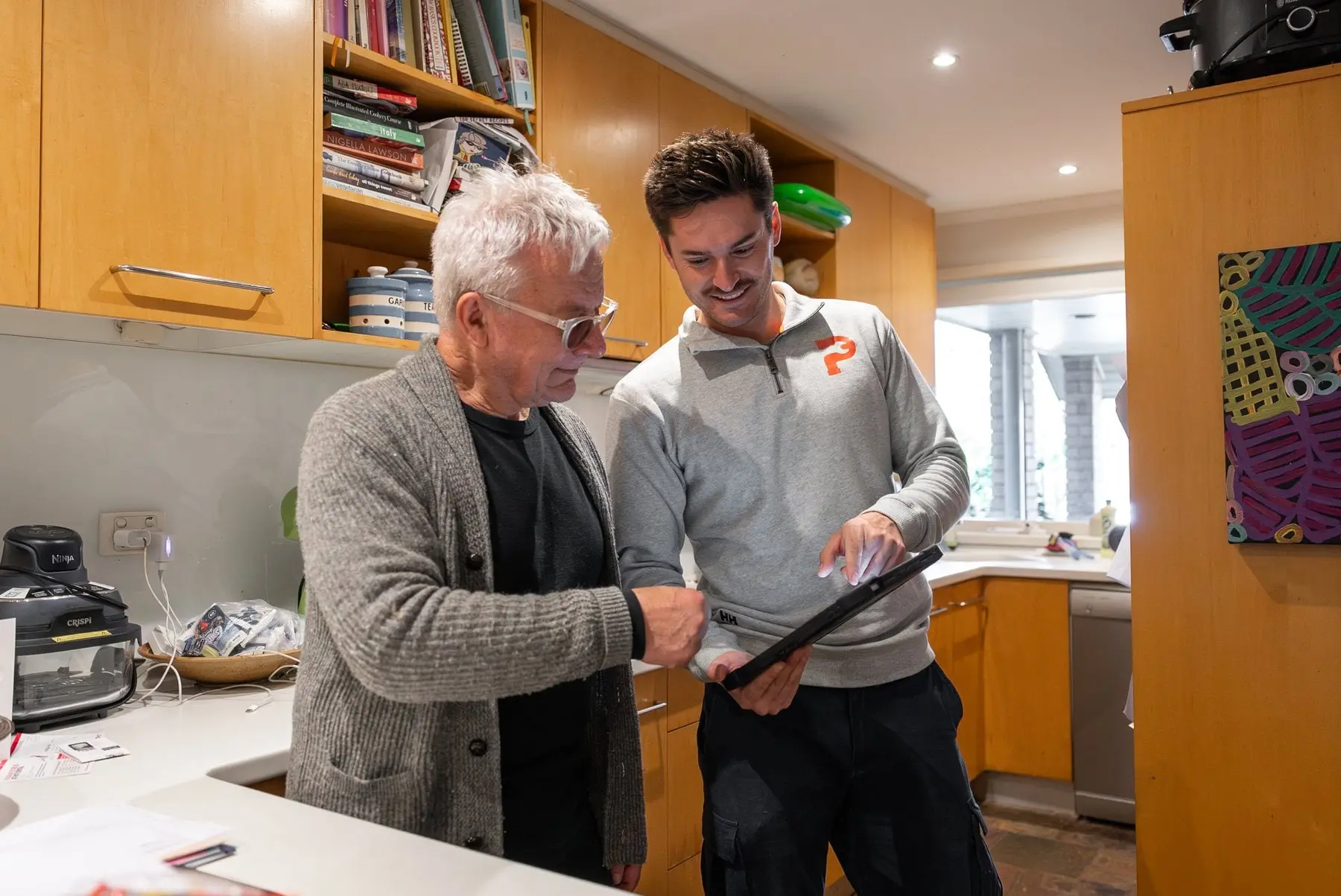
Work done without the required licence, certificate or supervision breaks the Home Building Act 1989. The fix is simple: ask for the licence number and check the register before any work starts.
Fines For Unlicensed Work
An individual faces up to $22,000 and a company up to $110,000 for unlicensed plumbing, draining or gasfitting work in NSW, according to the NSW Government licence page (2026).
Insurance And Liability
No, a licence on its own is not blanket insurance cover for anything that goes wrong. The Home Building Act 1989 covers work done without the required licence, certificate or supervision. Mr Local Plumbing is fully licensed and insured.
Our Process
Booked work runs through four steps, licence check first:
- Licence check: Ask for the licence number and check it on the NSW public register (Verify NSW).
- Written quote: The price lands on paper before any tool comes out.
- The work: A plumber, drainer or gasfitter holding the right class does the job under the licence.
- Sign-off: You see the finished work and what it covered.
What A Sydney Plumber Costs
The price bands below for hourly rates, call-out fees and after-hours visits come from What's The Damage's November 2026 Sydney guide, GST included:
| Job | Price band | Source |
|---|---|---|
| General plumbing hourly rate | $92 to $230, typically $140, GST included | What's The Damage, November 2026 |
| Call-out fee | $69 to $170, covering travel plus the first 15 to 30 minutes on site | What's The Damage, November 2026 |
| After-hours hourly rate | between $170 and $345 | What's The Damage, November 2026 |
| Emergency or after-hours visit | $290 to $805 (typically $520) | What's The Damage, November 2026 |
| Typical residential call-out job | $69 to $500 | What's The Damage, November 2026 |
| Our call-out | $0 | Mr Local Plumbing |
After-hours labour and emergency visits move a Sydney plumbing bill most, according to What's The Damage, so the written quote matters before any work starts.
Licensed Plumber Hourly Rates
The licensed plumber hourly rate in Sydney runs $92 to $230, GST included, with $140 the typical charge, according to What's The Damage, November 2026.
The Call-Out Fee
A Sydney call-out fee runs $69 to $170, covering travel plus the first 15 to 30 minutes on site (What's The Damage, November 2026). It is charged whether or not the work proceeds. Ours is $0.
After-Hours Rates
After hours, a Sydney plumber charges between $170 and $345 an hour, per What's The Damage (November 2026). An emergency visit runs $290 to $805 (typically $520) per What's The Damage, November 2026.
What Moves The Price
What's The Damage's November 2026 Sydney guide names after-hours labour and emergency visits as the two biggest price movers. Sydney plumber costs rose around 4.0% over the year to November 2026, re-verified against more than 90 sources. Your written quote confirms the price on your job.
Why Choose Mr Local Plumbing
Four things stand behind every hire: the contractor licence, the pricing, the response and the years:
NSW Contractor Licence
Contractor licence 498750C is our NSW Fair Trading licence, listing the plumber, drainer and gasfitter classes. The classes on that licence back every licensed title named on this page.
Fair, Upfront Pricing
Our call-out fee is $0. Expect fair, upfront pricing, no surprises, and Best Price Guaranteed on a written quote. No work starts before the price is in writing.
Same Day Service
Same Day Service covers booked work. We are open 24 hours for same-day emergency service, and a real person answers each call, day or night.
15+ Years' Experience
We bring 15+ years' experience to general plumbing work across Chipping Norton and nearby south-west Sydney. Behind those years sit 300+ five-star reviews.
Conclusion
The licence check and the written quote are the two checks that settle a hire. Ask for the licence number, confirm it on the NSW public register, and read the price on paper before any work starts. Those checks cost nothing, and they apply to every job, big or small.